

144-Cell PS Seedling Tray | High-Density Greens
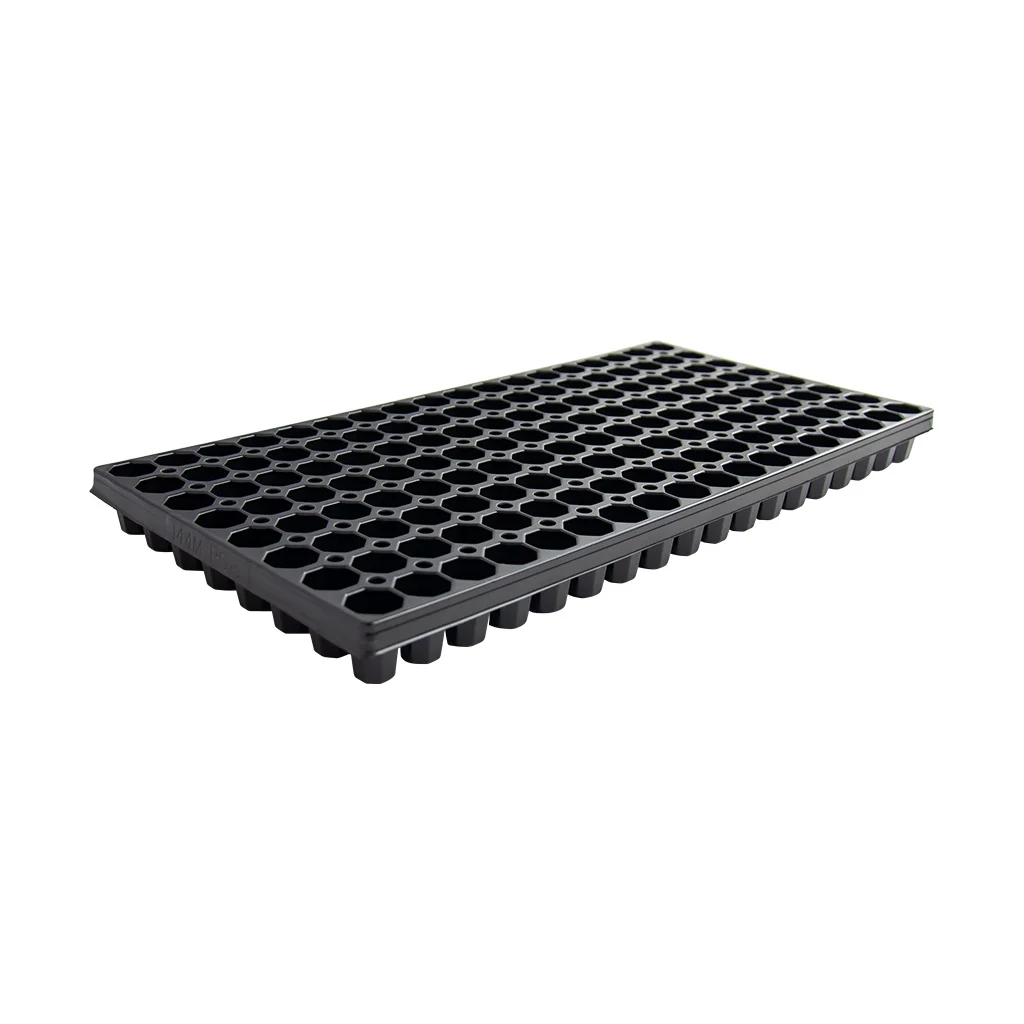
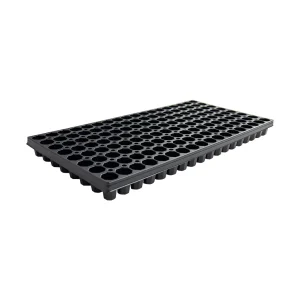
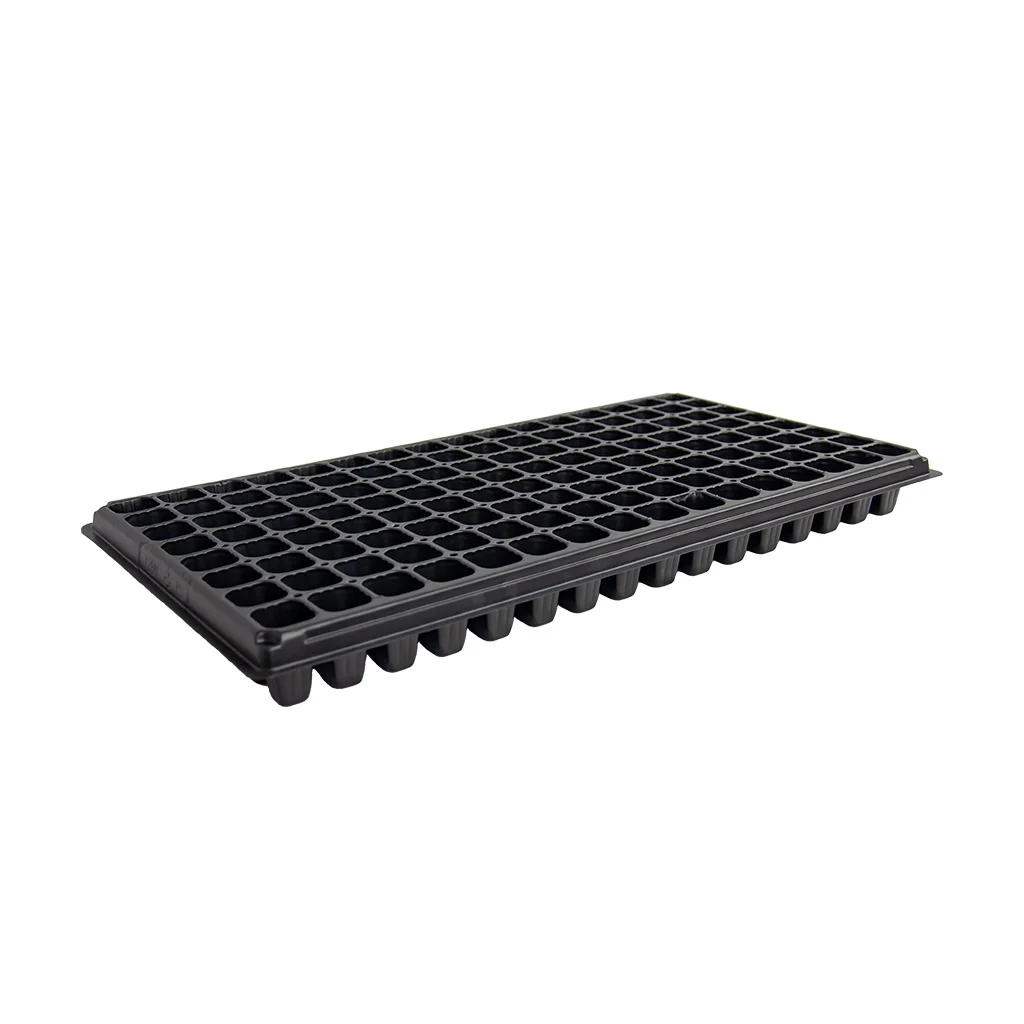
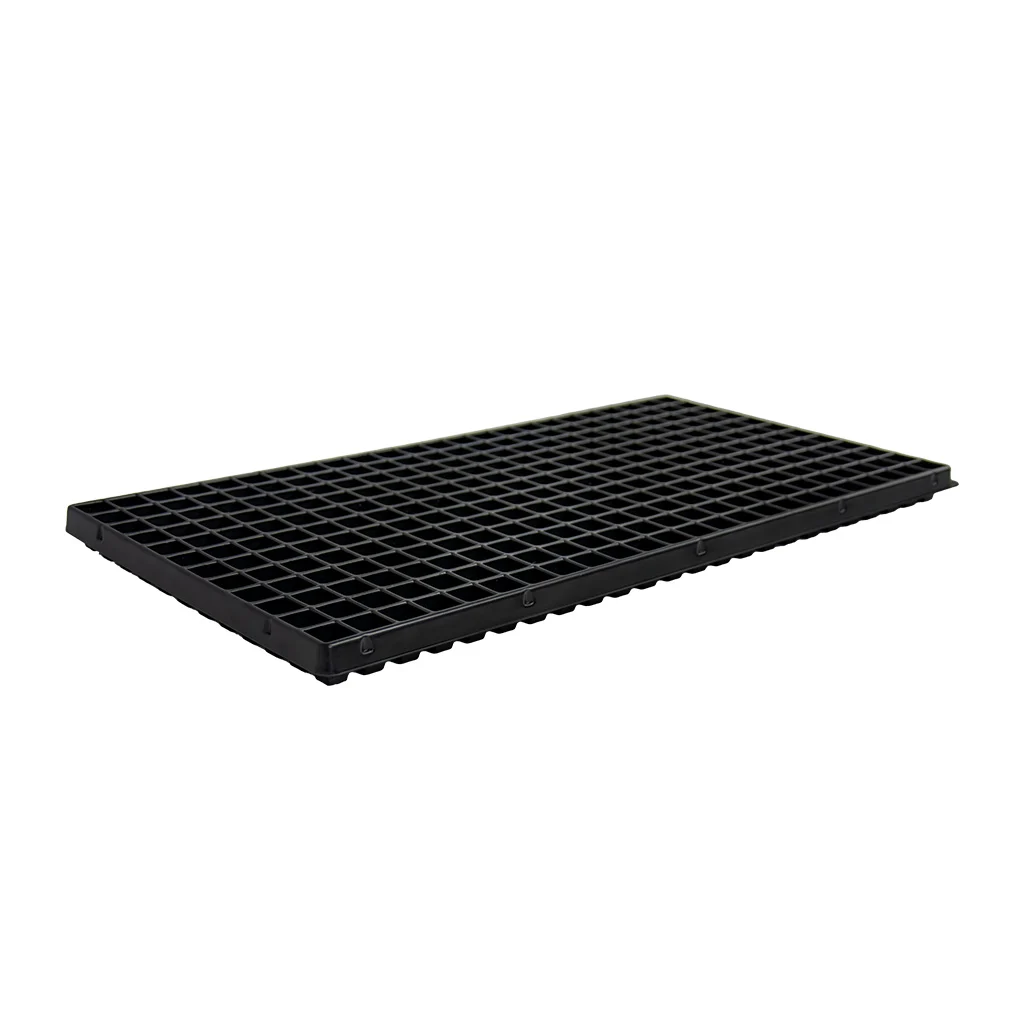
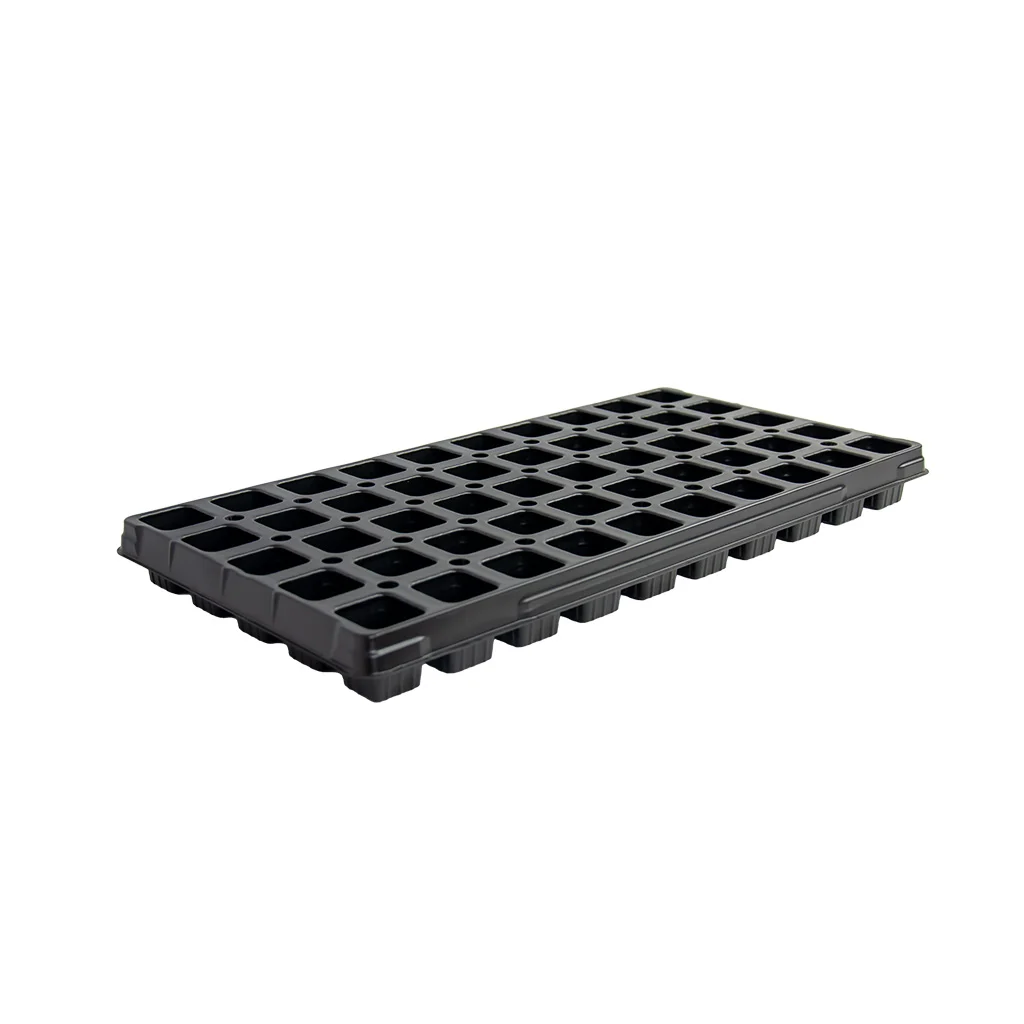
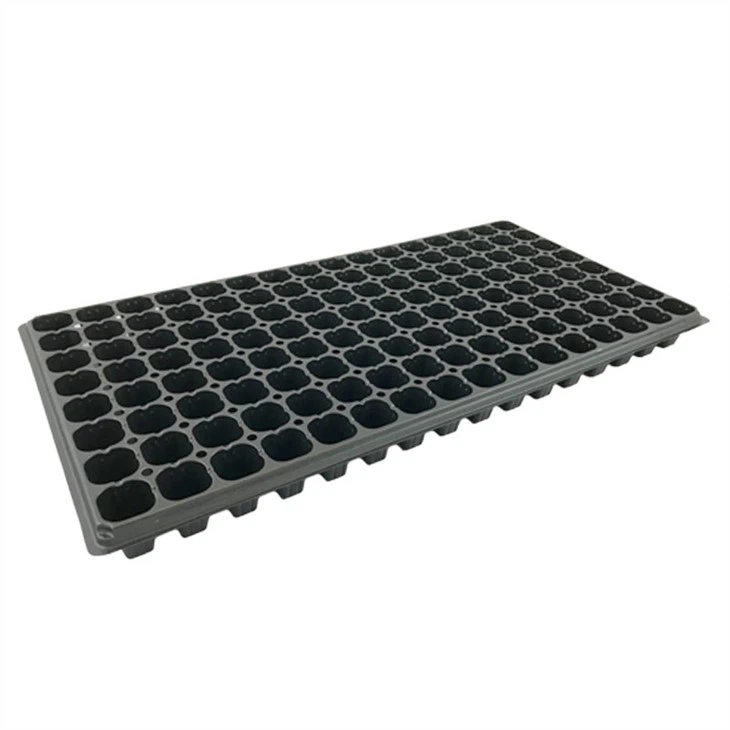
The 144-cell PS seedling tray packs a 12 × 12 grid into a standard 1020 footprint, making it one of the most space-efficient options for high-density leafy green and onion production. Each square cell provides 4.0 cm (1.57 in) of depth — enough for a compact, well-formed root ball that transplants cleanly. At just 155 grams per tray, it dramatically reduces per-unit freight costs.
High-Density Production Without Starving Roots
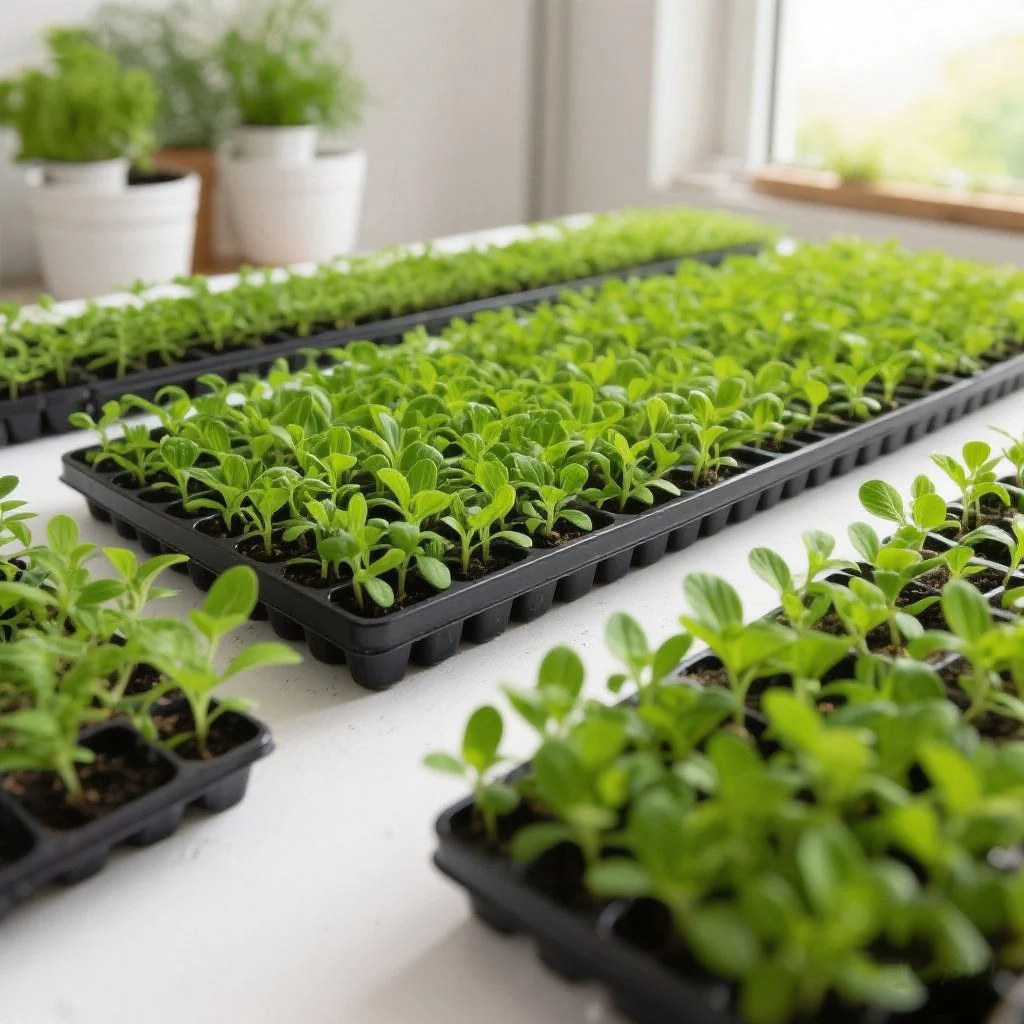
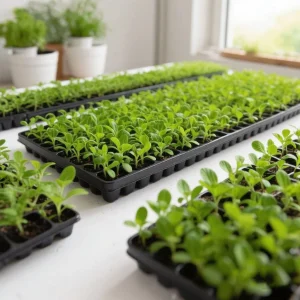
Lettuce and onion growers want more plants per tray. The risk is simple. Pack cells too tight, and seedlings become weak and hard to transplant. The 144-cell format avoids that trap. It delivers high density while keeping enough depth for a compact, well-formed root ball. You get a plug that transplants cleanly in just 3 to 6 weeks.
The 144M is our high-density standard for leafy green and onion production. This 144 cell plug tray gives commercial propagators strong throughput per square meter. It also stays within the standard 1020 footprint, so it works on any existing bench.
144 Square Cells, 12 x 12 Layout
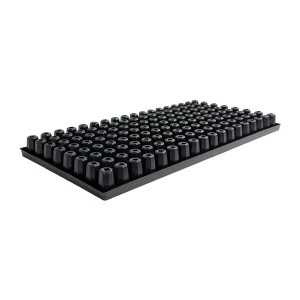
Each tray holds 144 square cells in a 12 x 12 arrangement. The top opening measures 2.8 cm (1.1 inches) and tapers to a 1.5 cm (0.59 inch) base. Cell depth is 4.0 cm (1.57 inches). Square cells pack tightly with no wasted space, and the even grid supports uniform germination. Four centimeters of depth is plenty for lettuce and onions on a short cycle.
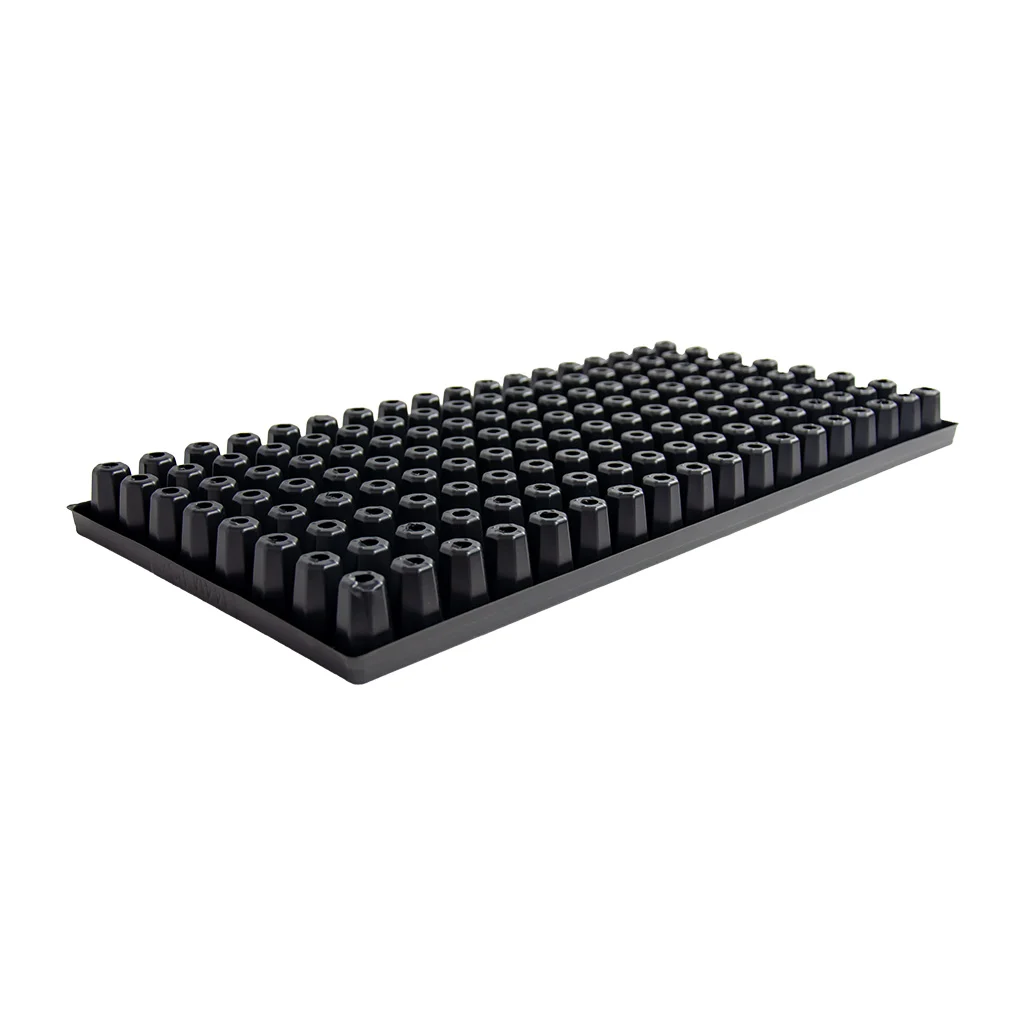
Each cell includes one drainage hole, so the tight grid still drains cell by cell. We thermoform the 144M from a single sheet of premium polystyrene. Walls stay consistent across all 144 cells. Each tray stays flat on benches and conveyors, so handling stays smooth from seeding to transplant.
Fits Your 1020 System on Day One
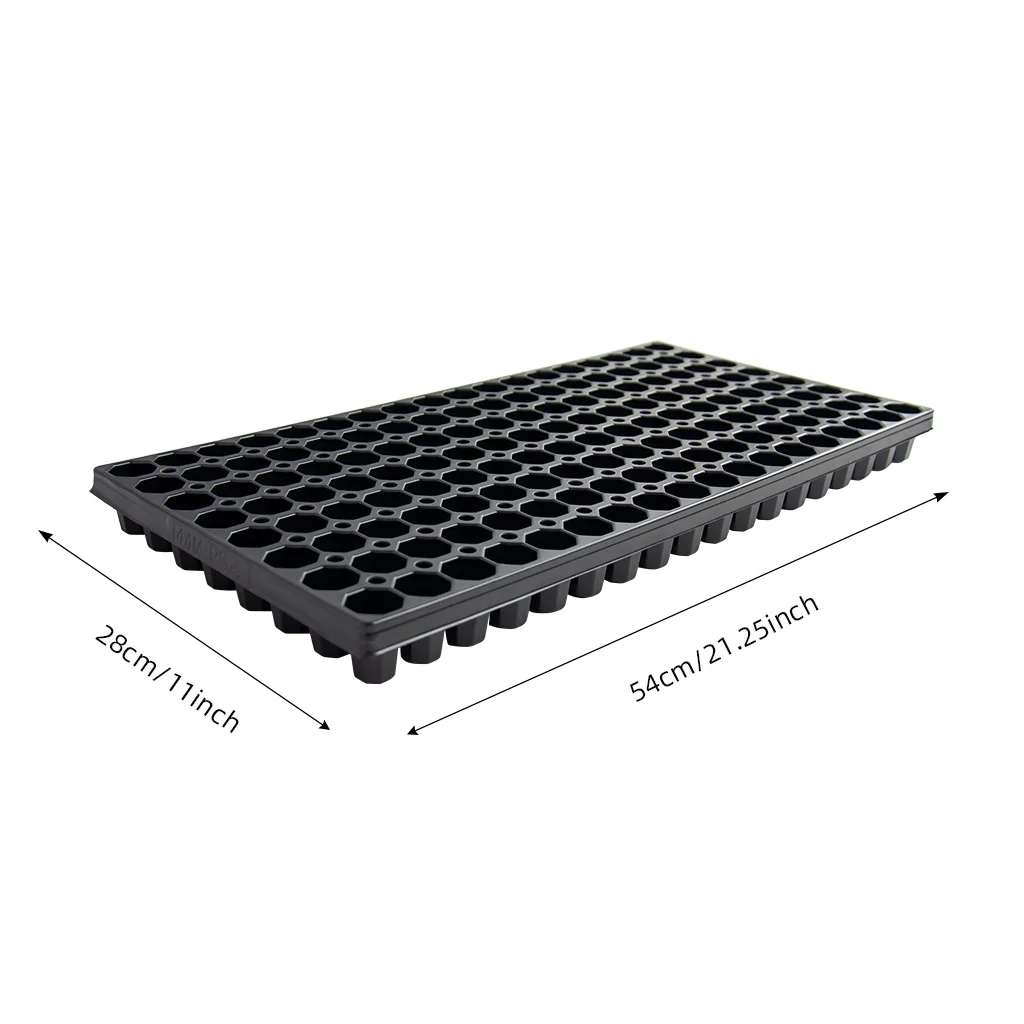
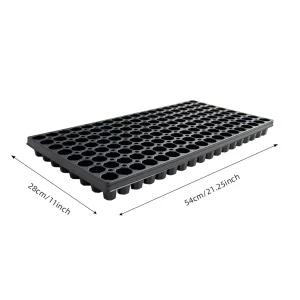
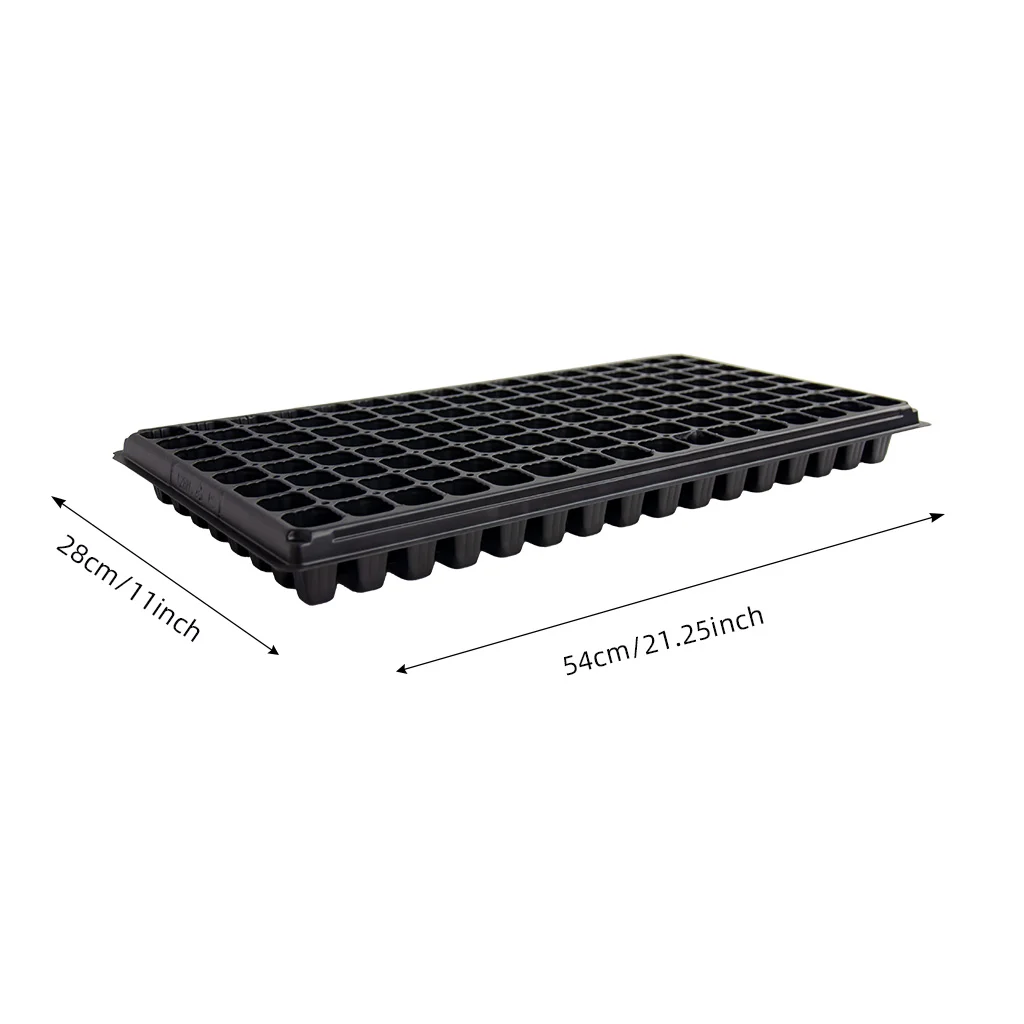
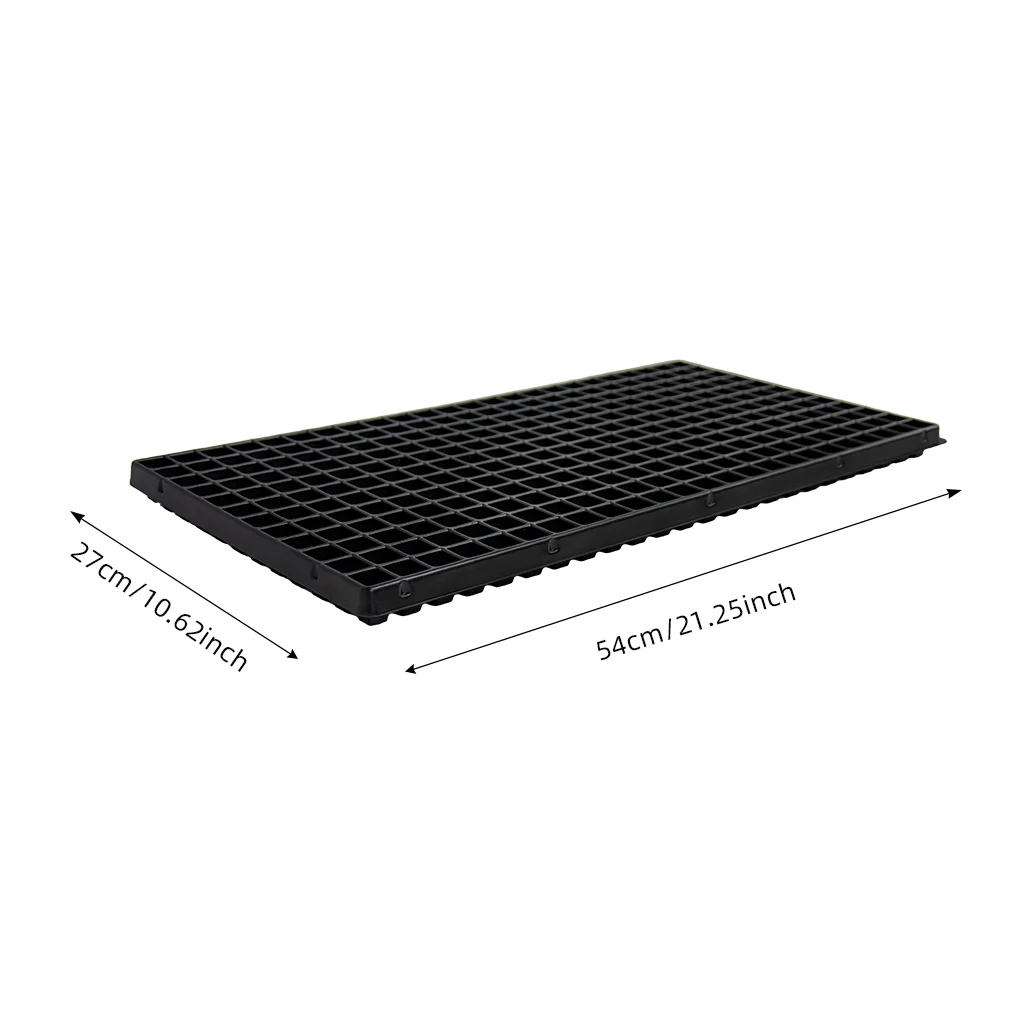
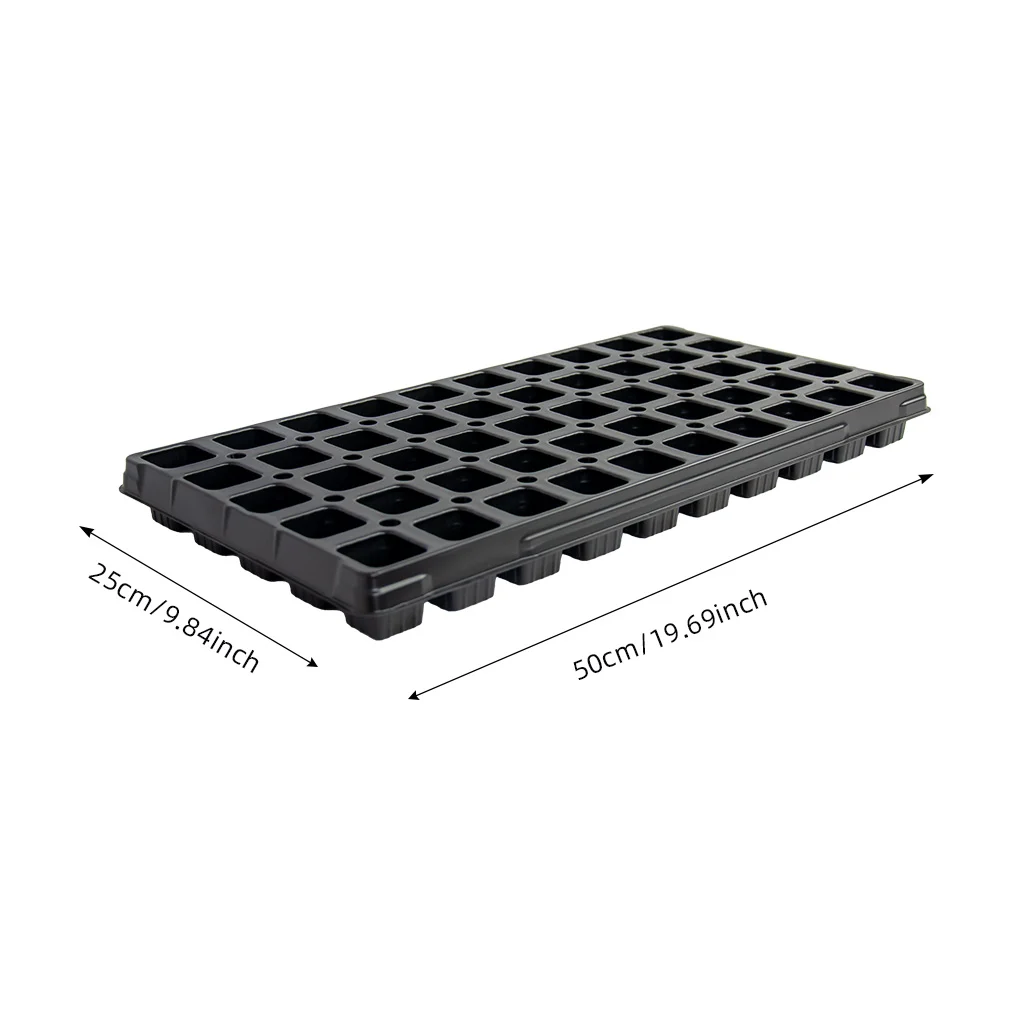
The 144M measures 54 x 28 cm (21.3 x 11.0 inches), the standard 1020 footprint. It nests inside 1020 watertight trays for bottom watering. It also sits flat on mesh benches and stacks neatly with other 1020 trays. You do not need to change benches, irrigation, or handling equipment.
Built for Automated Seeders
Drum seeders, needle seeders, and vacuum lines all demand tight tolerances. We form the 144M with consistent cell pitch, opening size, and tray flatness. Every cell rim is clean and smooth, so needles and nozzles never snag. The rigid profile also resists flexing at high speed. That means fewer mis-picks, fewer jams, and more trays seeded per hour.
Light to Ship, Easy on Margins
Each 144 cell plug tray weighs just 155 grams. That low weight cuts freight cost directly. A pallet holds 3,200 trays, and a 40-foot high-cube container loads 70,400 units. For high-volume propagation, PS trays offer the lowest landed cost per cell. At 144 cells, that per-cell cost drops even further.
Best Crops for the 144M
- Lettuce, onions, leeks, and brassicas
- Small-seeded flowering annuals
- Commercial plugs on a 3-6 week nursery cycle
- Growers who want high density with clean-transplanting plugs
Material, Safety, and Reuse
We make every 144M from food-grade expanded polystyrene (PS #6). The trays are BPA-free with no intentionally added lead, cadmium, or heavy metals. Many municipal and commercial facilities recycle PS #6, so we recommend partnering with a local recycling program. These trays work best for single use or 1-3 careful cycles. If you need trays for repeated washing and multi-season use, take a look at our PP range instead.
| Weight | 0.155 kg |
|---|---|
| Dimensions | 54 × 28 × 4.0 cm |
| Model | 144M |
| Material | Expanded Polystyrene (PS #6), thermoformed |
| Number of Cells | 144 |
| Cell Arrangement | 12 × 12 |
| Cell Shape | Square |
| Top Cell Diameter | 2.8 cm |
| Bottom Cell Diameter | 1.5 cm |
| Cell Depth | 4.0 cm |
| Outer Dimensions | 54 × 28 cm |
| Tray Weight | 155 g |
| Trays per Pallet | 3,200 |
| Drainage Holes | Yes (1 per cell) |
| BPA-Free | Yes |
| Recyclable | Yes (PS #6) |
| 1020 Compatible | Yes (as drop-in insert) |
| Automated Seeder Compatible | Yes (drum / needle / vacuum) |
You must be logged in to post a review.
This is a bulk B2B product shipped on pallets and in full containers. Contact us for a freight quote to your destination port.
| MOQ | 1 pallet (3,200 trays) — mixed models can be combined to fill a container. |
|---|---|
| Packaging | Stacked trays on standard export pallets, stretch-wrapped with corner protection. |
| Container loading | 3,200 trays per pallet · 70,400 per 40HQ (22 pallets) · 64,000 per 40GP (20 pallets) · 32,000 per 20GP (10 pallets). |
| Lead time | Samples 3–5 days · mass production 15–25 days after deposit, confirmed at order. |
| Trade terms | FOB Ningbo by default; CIF / DDP available on request. |
| Payment | T/T 30% deposit, 70% balance before shipment; L/C at sight for large orders. |
| Samples | Free samples available, freight collect. Request samples & a quote → |
What is the difference between PS and PP plug trays?
PS (polystyrene) trays are lightweight and precision thermoformed for the lowest landed cost — ideal for single use or 1–3 careful cycles. PP (polypropylene) trays are heavier, washable, and built for repeated multi-season use. Choose PS for cost and seeder compatibility; choose PP when you need trays that survive repeated washing across many seasons.
How many times can I reuse a PS tray?
PS trays work best for single use or 1–3 crop cycles with careful handling, gentle washing, and proper storage. Because PS is rigid, repeated flexing or aggressive washing can cause hairline cracks. For repeated washing and multi-season use, see our PP range.
Does this fit standard 1020 flats?
Yes. The 144M measures 54 × 28 cm (21.3 × 11.0 in), the standard 1020 footprint. It nests in 1020 watertight trays and works with standard 1020 benches and equipment.
Are these compatible with automated seeders?
Yes. The 144M is thermoformed to tight tolerances on cell pitch, opening size, and tray flatness, so it runs on common drum, needle, and vacuum seeders. Send us your seeder model and we will confirm fitment.
What crops work best in a 144-cell tray?
The 144-cell tray is optimized for high-density lettuce, onions, leeks, brassicas, and small-seeded flowering annuals. Choose it when you want more plants per tray than a 105/128-cell format but still need depth for a 3–5 week cycle.

Reviews
There are no reviews yet.